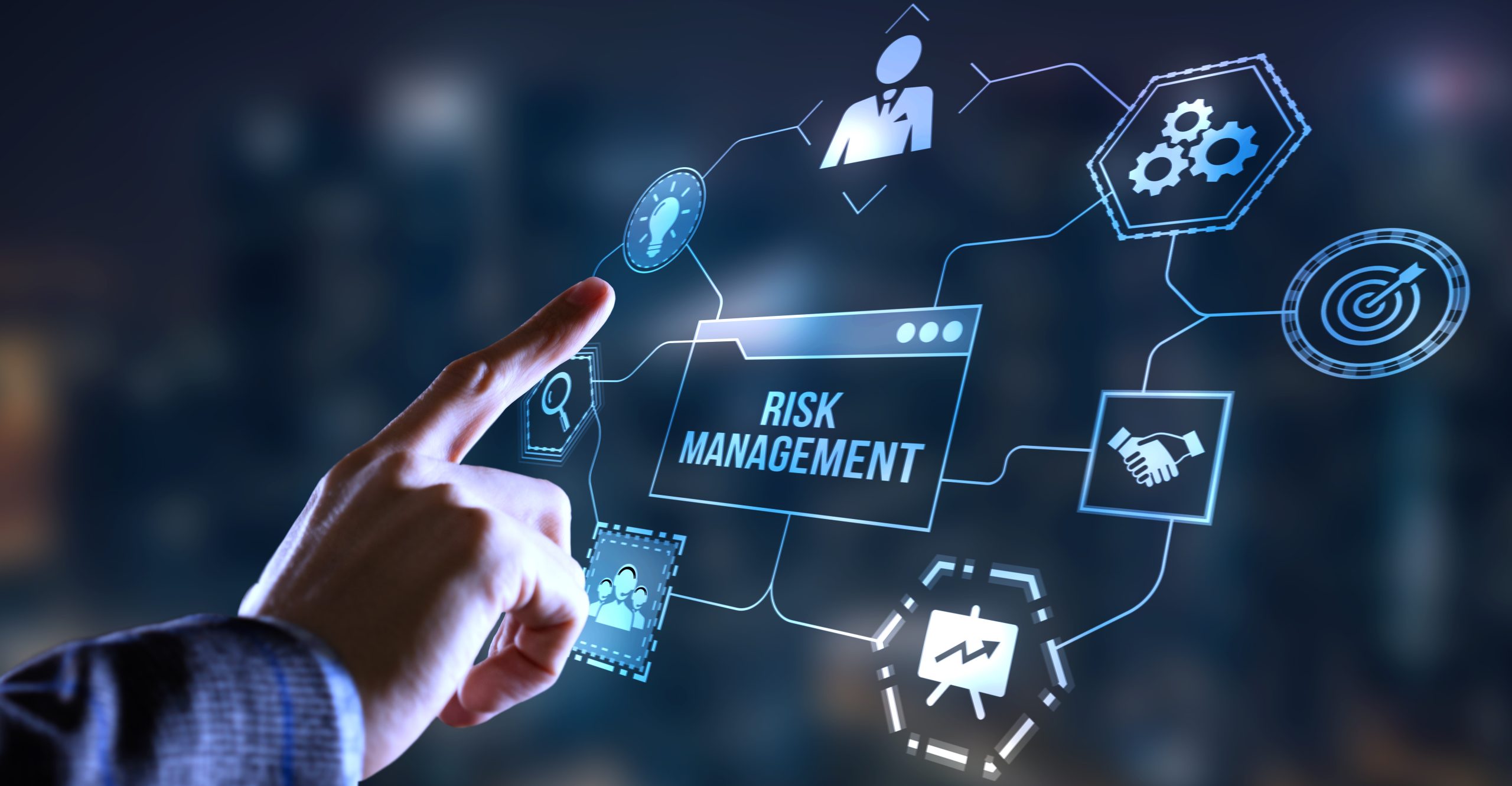

Understanding the Essentials of a Risk Management Program
A risk management program is a systematic process to manage risk. This process typically involves risk identification, where businesses identify risks that could negatively affect their operations or objectives. Risk analysis then follows, which assesses the identified risks in terms of their potential impact and likelihood. For students or professionals delving into this complex topic and seeking to articulate these concepts in academic or online forums, the task can be daunting. The phrase write my discussion post for me becomes relevant here, highlighting the need for expert assistance to craft insightful and coherent discussion posts that accurately reflect the intricacies of risk management processes. Effective risk management programs also include risk assessment, which evaluates both the internal and external risk factors that could impact the business. Risk mitigation strategies are developed to manage, transfer, or avoid these risks. This could involve implementing risk reduction measures such as internal controls and developing a comprehensive risk management plan that aligns with the organization’s overall goals. The importance of risk management can’t be overstated, as it helps organizations identify and mitigate risk, ensuring the achievement of their business objectives.
Additionally, keeping an eye out for an “essaypro promo code” can be especially beneficial during peak academic periods or promotional seasons. EssayPro often releases these codes to attract new customers or reward loyal ones, providing an excellent opportunity for students to receive professional writing assistance at a reduced cost. Whether you’re tackling a challenging essay or need help polishing your final draft, an “essaypro promo code” can make accessing expert writing help more accessible and budget-friendly.

The Role of Enterprise Risk Management in Modern Businesses
Enterprise risk management (ERM) extends beyond traditional risk management programs. It’s an integrated and holistic approach to managing risk across an organization. ERM encompasses all types of risk, such as operational risk, financial risk, and strategic risk. This approach to risk management is important because it ensures a consistent and comprehensive view of risks across the enterprise. ERM helps in the identification of emerging risks and significant risks that could impact the entire organization. It also includes the implementation of risk management standards and practices across all departments. ERM is essential for regulatory compliance and for ensuring that all risk management activities are aligned with the organization’s strategic goals.
MBA writing with EssayPro provides a tailored solution for students pursuing their Master of Business Administration degrees. This service caters to the diverse range of writing tasks MBA students face, from case studies and business plans to strategic analyses. EssayPro’s team of writers, knowledgeable in business theory and practice, delivers content that is not only well-researched but also practical and insightful, aligning with the rigorous expectations of MBA programs.
Strategic Approaches to Managing Risk: Best Practices
Adopting strategic approaches to managing risk involves several best practices. First, it’s crucial to establish a culture of risk awareness where all employees understand the importance of risk management. This involves training and educating staff about risk management standards and practices. As a result, the employees make a lot of training masterclasses, and among them is how to write my book report asap based on this topic.
Risk managers should use a variety of risk management techniques to identify risks and develop strategies to mitigate them. These may include risk assessments, risk transfer, and risk sharing. It’s also essential to continually monitor and review the risk management process to adapt to new challenges and changes in the business environment.


Integrating a Risk Management Program into Corporate Strategy
Integrating a risk management program into corporate strategy involves aligning risk management decisions with business goals. This means that risk managers must understand the business objectives and how different risks could impact these objectives. Integrating risk management with corporate strategy also involves considering risk factors in strategic planning and decision-making. A risk manager plays a crucial role in this integration. They must ensure that the organization’s risk management practices are not just reactive but proactive, anticipating potential risks and implementing strategies to mitigate them.

Evaluating the Effectiveness of Your Approach to Risk Management
To evaluate the effectiveness of a risk management program effectively, organizations must consider a multitude of factors. These factors include, but are not limited to, the extent to which the risk management plan effectively mitigates identified risks and how well the risk management practices are aligned with the overarching objectives and strategies of the organization. It’s also paramount to assess whether the risk management activities are being conducted in strict accordance with established and recognized risk management standards and frameworks. Moreover, valuable insights into the strengths and weaknesses of the risk management program can be garnered through feedback from risk managers and other key stakeholders within the organization. This feedback is crucial in identifying any gaps or areas that may require additional focus or improvement. Additionally, it is beneficial to compare and contrast the organization’s approach to risk management with industry benchmarks and prevailing risk management standards. This comparative analysis can be instrumental in highlighting areas where the organization is performing well and areas where there is a potential for enhancement.
Furthermore, this process of evaluation should also involve a thorough analysis of the outcomes of risk management activities. This includes examining how effectively risks have been managed, mitigated, or capitalized upon and determining whether the risk management strategies have contributed positively to achieving business objectives. The ability to adapt and evolve the risk management program in response to changing internal and external environments is also a critical aspect of its effectiveness. Continuous monitoring, review, and improvement of risk management processes ensure that the organization remains resilient and agile in the face of emerging risks and challenges.
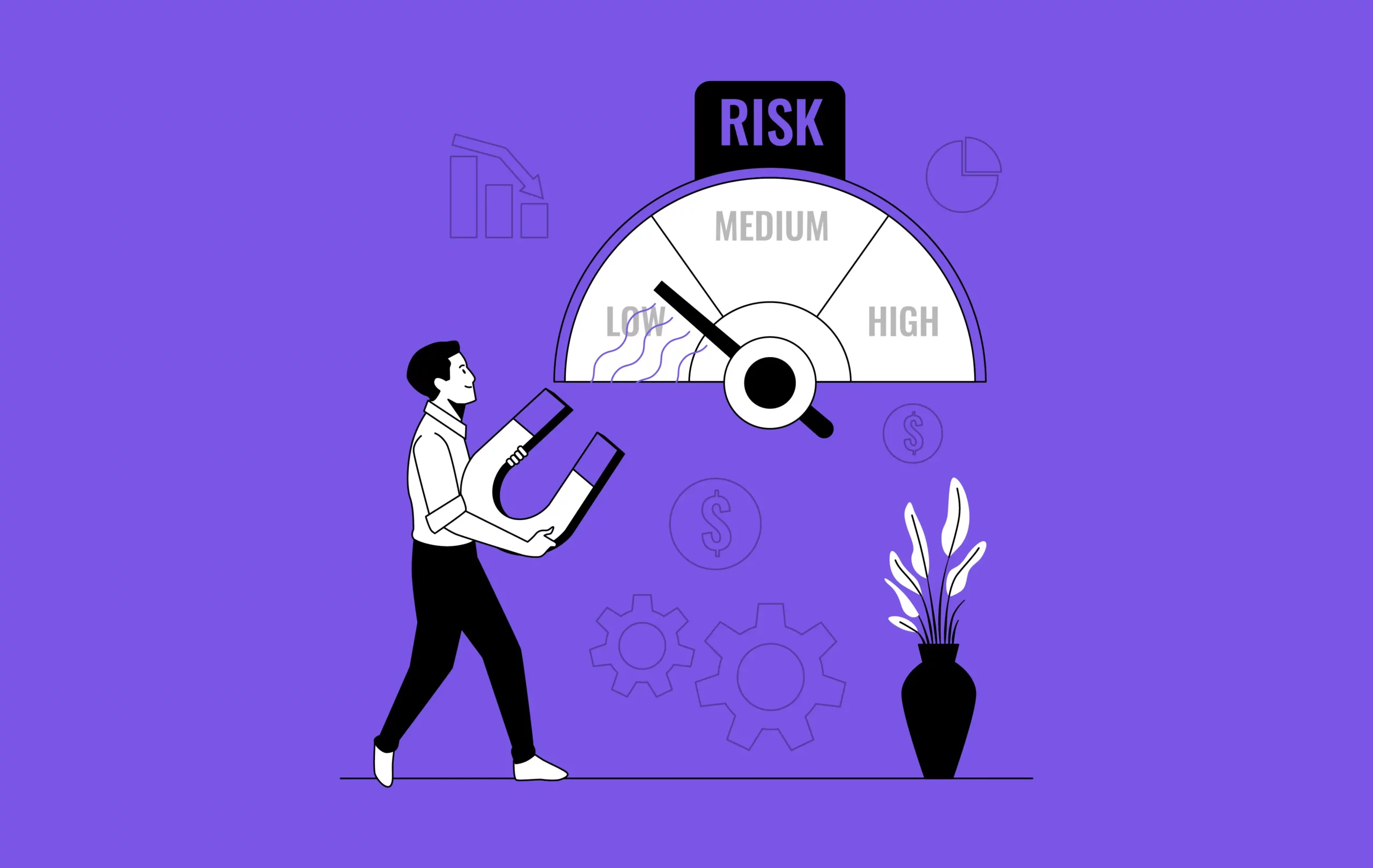
The Future of Managing Risk: Trends in Enterprise Risk Management
The future of managing risk in enterprise risk management is likely to be shaped by several trends. These include increasing reliance on technology and data analytics for risk identification and assessment. Artificial intelligence and machine learning are expected to play a more significant role in predicting and managing risks.
There’s also a growing focus on managing risks related to cybersecurity and data privacy. As businesses become more digital, protecting against these risks will be a critical component of enterprise risk management. Additionally, there is an increasing emphasis on sustainability and managing environmental risks, reflecting broader social and environmental concerns.
In conclusion, risk management is a critical component of corporate strategy and decision-making. Effective risk management programs, including enterprise risk management, help organizations identify, assess, and mitigate risks. As the business landscape continues to evolve, the approaches to risk management will also need to adapt, ensuring businesses can face future challenges with confidence.

The Lifeline Group: Revolutionizing Risk Management with Innovative Software
The Lifeline Group, a pioneer in the field of risk management, has developed innovative software that is revolutionizing how businesses manage risk. The Lifeline software, known as the lifeline or life line, offers advanced tools for risk identification, risk analysis, and risk management. Sala Lifeline, another product from the Lifeline Group, focuses on providing solutions for specific industry challenges. These solutions help in managing emerging risks and ensuring that identified risks are adequately controlled. The lifelines, including Lifeline Nutrients, offer tailored risk management solutions for different sectors, demonstrating the adaptability and effectiveness of The Lifeline Group’s offerings.